What if the questions we don’t ask in sport cost us more than the ones we do?
Not the questions about training load, or recovery, or whether you’re strong enough. Sport generates those in abundance. The questions I mean are the ones that don’t get asked, the ones that sit just underneath the surface of a session or competition, that athletes carry quietly, that a sporting culture rarely makes room for.
Why does this movement feel wrong? Why can’t I fully commit to that skill? Why is more not working? What if strength isn’t the answer this time?
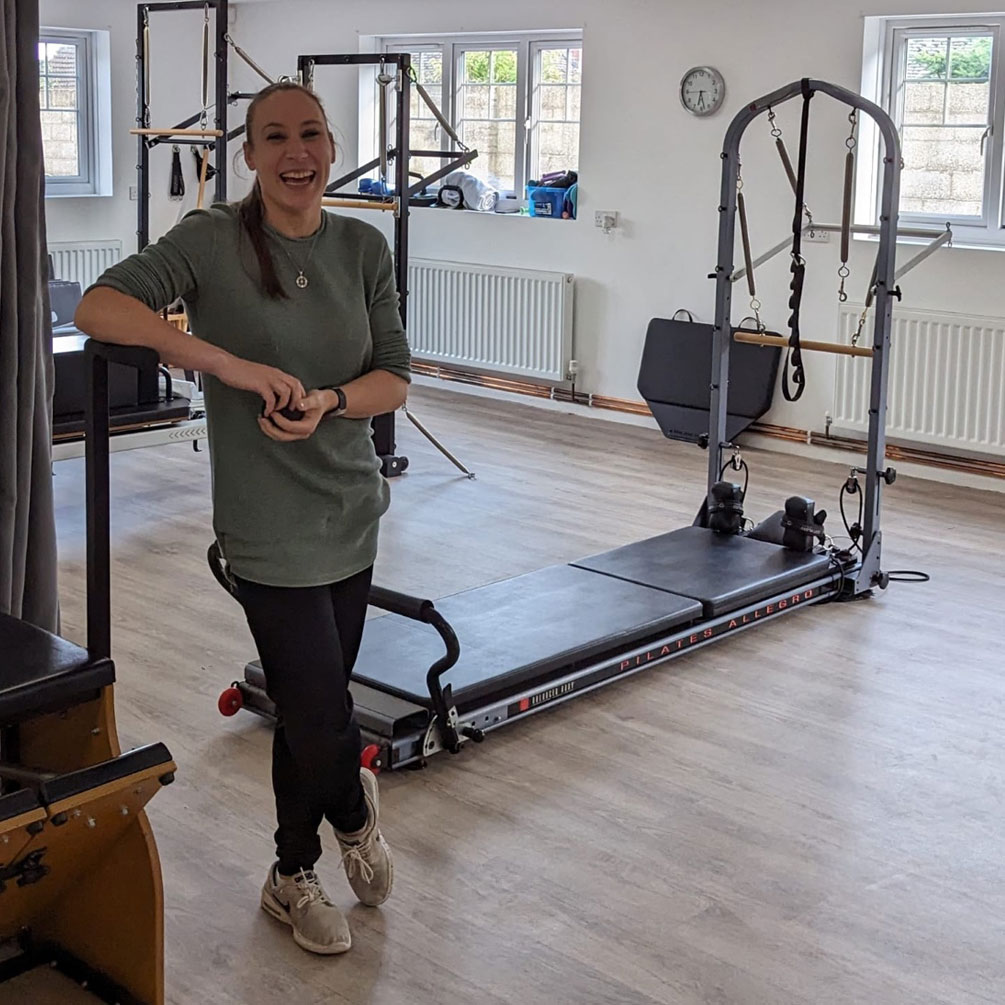
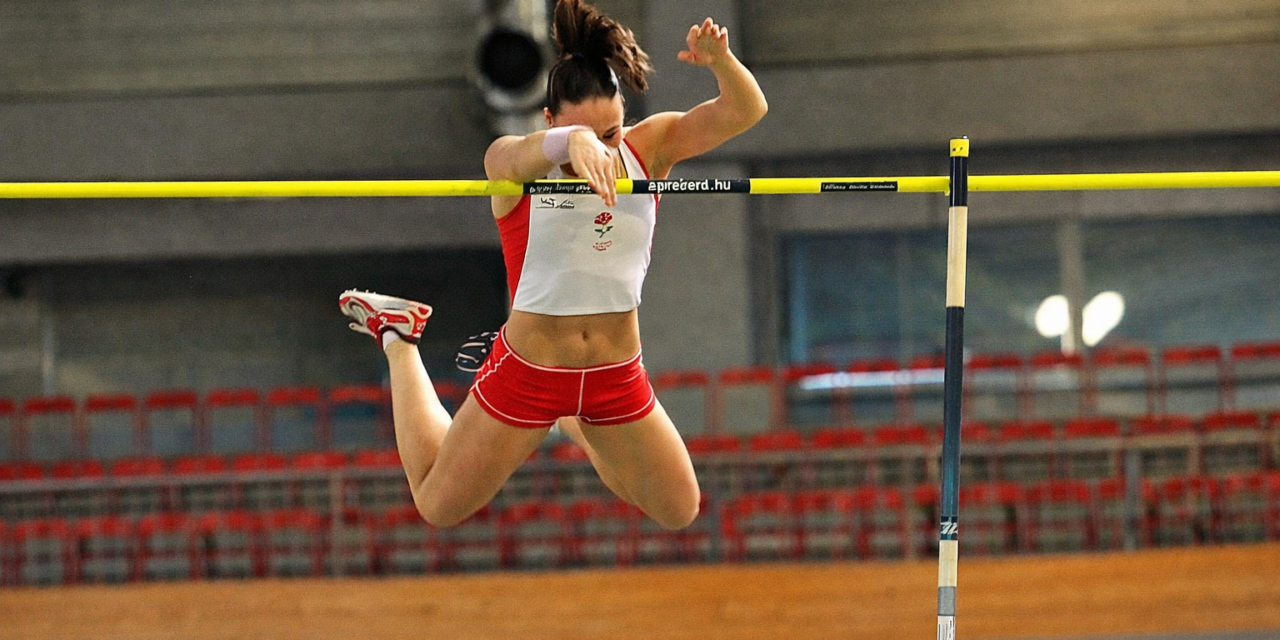
I spent the better part of my life inside those questions without knowing it. I came through gymnastics, heptathlon and eventually pole vault, competing internationally, living the kind of life where sport is not something you do, it is something you are. These days, I work as a Pilates therapist and a trainee strength and conditioning coach, spending my time with people across all walks of life, watching how their bodies actually behave when someone pays close enough attention. That shift in perspective, from athlete to practitioner, is where most of these questions began.
The dominant idea running through almost every performance environment I have been part of, particularly as an athlete, and now working across exercise and therapy, is that strength is the currency. Get stronger, get faster, get fitter, and performance will follow. I believed that. In many respects I still do. But I also know it is only part of the picture. And when it becomes the whole answer, things get missed. Important things. Costly things.
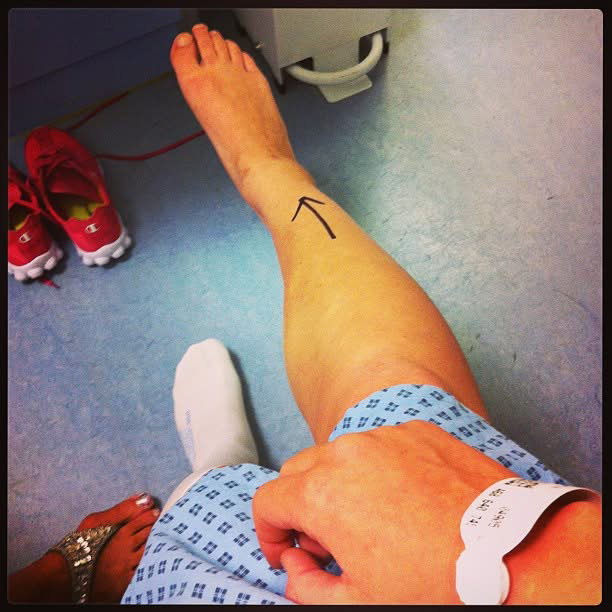
I jumped my last personal best on a leg with three different fractures. It remains one of the greatest moments of my athletic life. But it also carries something that has never quite left me, the sudden realisation that if I could do that when I was technically and mechanically at my worst, what might I have been capable of at my best? I never got to find out.
That is the kind of thing that happens when the unasked questions go unasked.
It was my surgeon who finally made it real. His words echoed through me as I realised I wasn’t just an injured athlete anymore. I was no longer a healthy human being. My body simply could not withstand what I would need it to, and somewhere underneath all the pushing and adjusting and carrying on, it had been telling me that for a long time.
My mind was still there, but my body wasn’t.
And there is something uniquely difficult about that, the loss of autonomy over the thing you have spent your entire life learning to trust. The decision to leave sport wasn’t really mine. It was made for me, by my own body. What followed was a deep loss of identity, one I tried to rebuild by channelling everything into a different world entirely, graphic design, creativity, stillness. Anything that didn’t ask the same things of me.
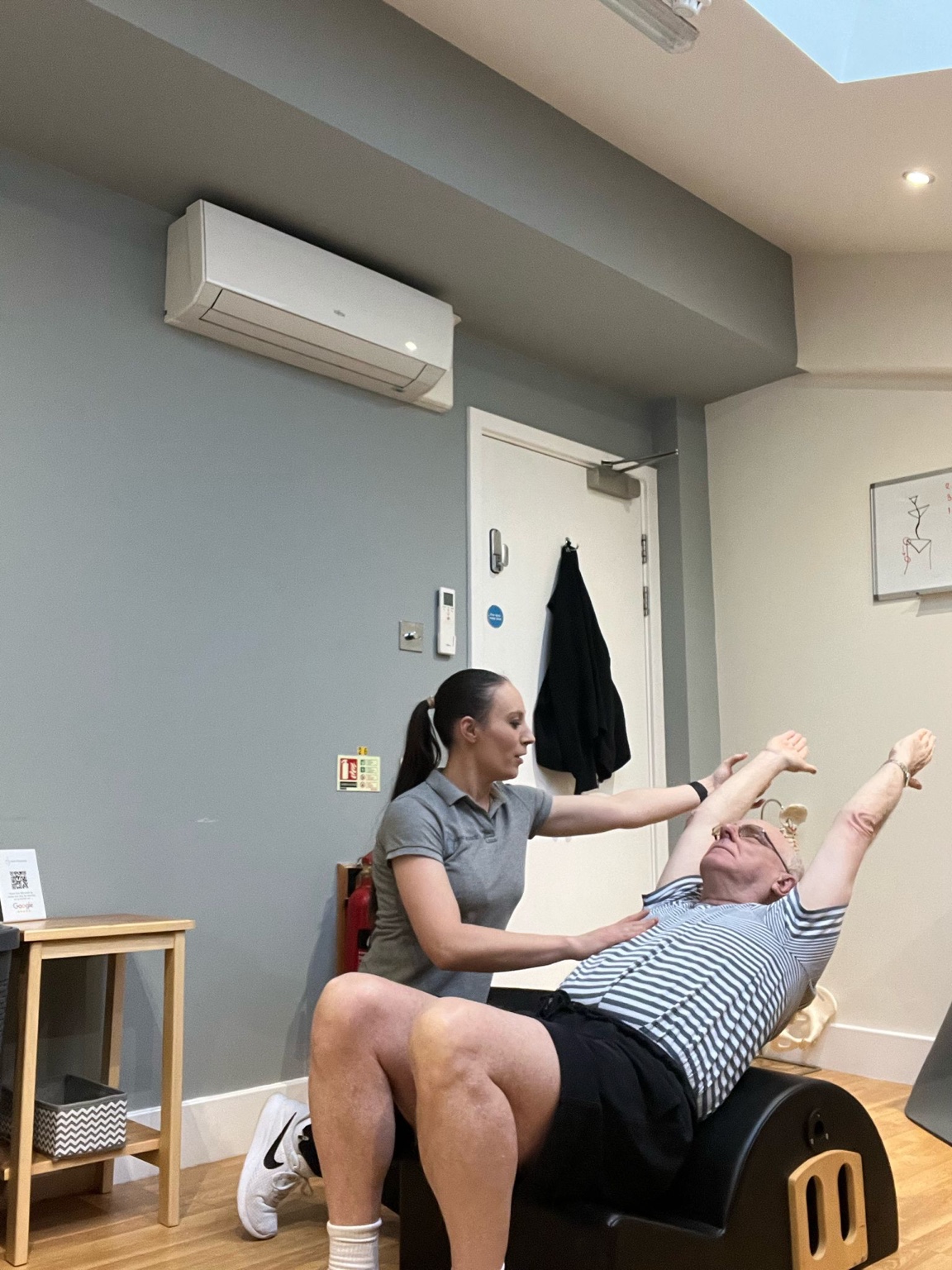
It was during that period, through some health scares and a growing awareness that my body needed a different kind of attention, that I found Pilates and retrained as a Pilates therapist. Almost immediately something shifted. The language of movement, the attention to how the body organises itself rather than simply what it produces, felt intuitive in a way I hadn’t expected. Working with people across so many backgrounds, athletes and non-athletes, I started watching how bodies actually behave when you pay close attention.
What I saw did not always match what I had been taught.
Strong people who couldn’t control simple movements. People who moved beautifully with very little formal training. Patterns that strength alone could not explain and would not fix.
The deeper I looked, the more a particular question kept surfacing. What if working more efficiently matters more than simply working harder? What if at high performance level, when the big rocks are largely already in place, it is the smaller ones that make the difference? The detail. The quality of how force is organised rather than simply how much of it can be produced.
Had someone been asking those questions when I was competing, really asking them, looking underneath the output, attending to what the body was actually doing rather than simply demanding more of it, I think my story would have looked different. I cannot know that for certain, but I believe it. That belief is what Under Load is built on.
Under Load exists because those questions have to go somewhere.
I have spent years accumulating them through my athletic career, through working as a therapist, through watching bodies and asking why, and now through studying strength and conditioning formally. The deeper I go, the more questions appear. At first that feels like a problem. Eventually it starts to feel like the point.
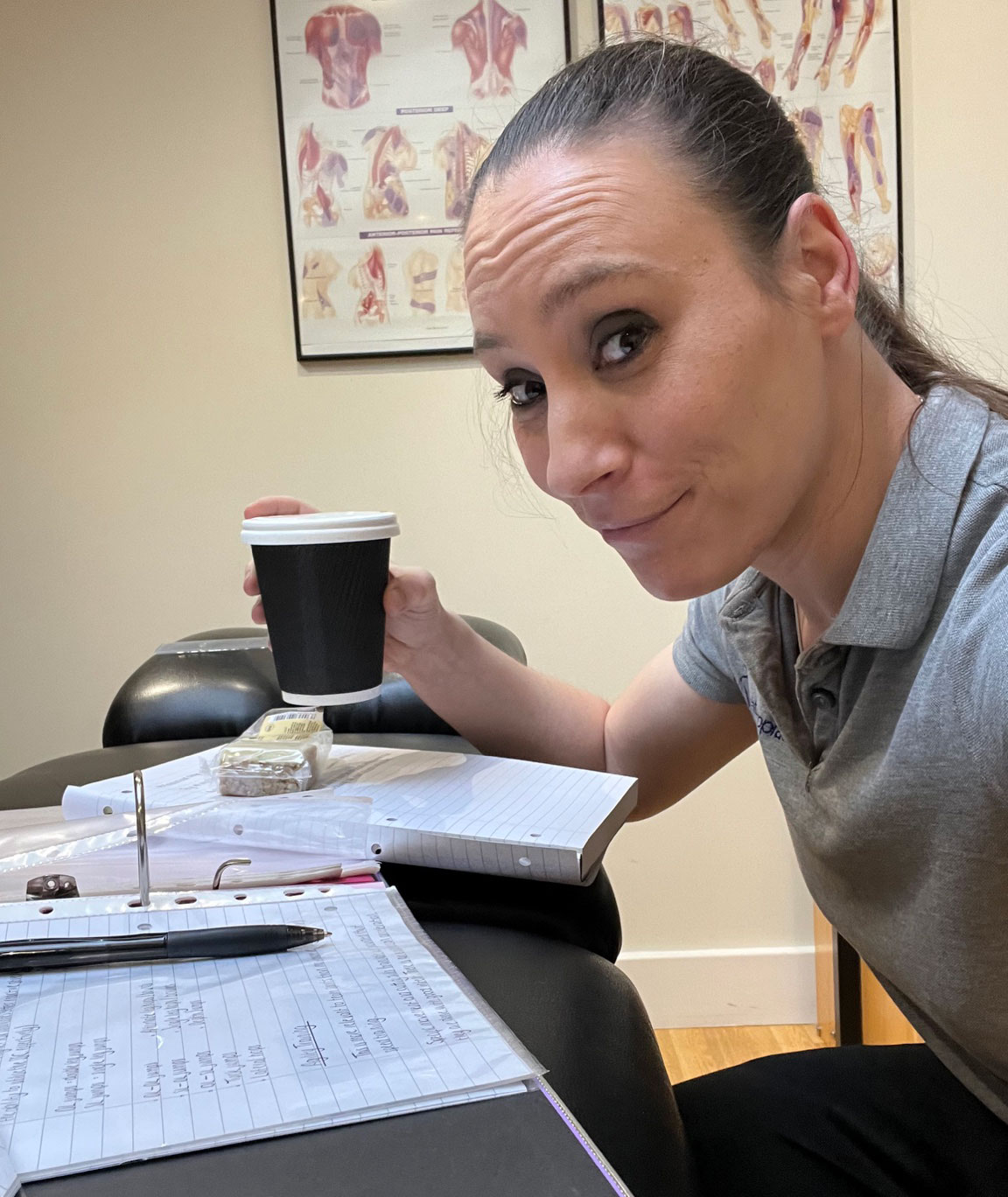
The questions that stop me in my tracks are rarely the big ones. They tend to be granular and specific, arriving in the middle of something that is supposed to be settled. A principle so widely accepted it has become background noise. A cue repeated so often nobody stops to ask what it is actually asking the body to do. Somewhere in the simplification, the essence of what was being asked gets lost entirely.
Why do strong athletes sometimes struggle to produce efficient movement? Why do certain coaching cues work for one body and not another? Why does performance break down under pressure in ways that greater strength wouldn’t have prevented? What are we missing when we focus only on what we can measure?
That is not a criticism of strength and conditioning. It is an argument for going further into it.
This platform is my accountability for those questions, the ones that make me stop, that shift how I see something, that I used to have nowhere to put. It will go wide into biomechanics, physiology, coaching language, fatigue, identity, mental health, and the parts of athletic experience that rarely make it into the conversation. Some posts will draw on research. Some will come directly from practice. Some will simply be me working through something out loud, because I believe that understanding does not develop in straight lines, but through the accumulation of better and better questions.
I don’t have all the answers. I have more questions now than when I started, and I expect that will always be the case. But I never want to stop asking them. I want to stay curious, remain open-minded, and be willing to challenge my own bias. Getting comfortable in being uncomfortable.
Because underneath all of it, my love for sport has never gone away. I love what it demands of people, what it reveals, what it makes possible. I love watching people defy the laws of physics, find a freedom in their bodies that very few of us ever get to experience, and achieve moments of pure greatness that stay with you long after they’re over. And if any of what gets explored here helps someone whether that’s an athlete, a coach, a parent, a practitioner, to ask a better question, to understand something more clearly, or to change a trajectory that might otherwise have gone a different way, then that is exactly what this is for.
Welcome to Under Load.